Riga, Latvia

Riga, the capital city of Latvia, is a hidden gem in the heart of the Baltics. With its rich history, stunning architecture, and vibrant cultural scene, Riga is a must-visit destination for anyone traveling to Northern Europe.

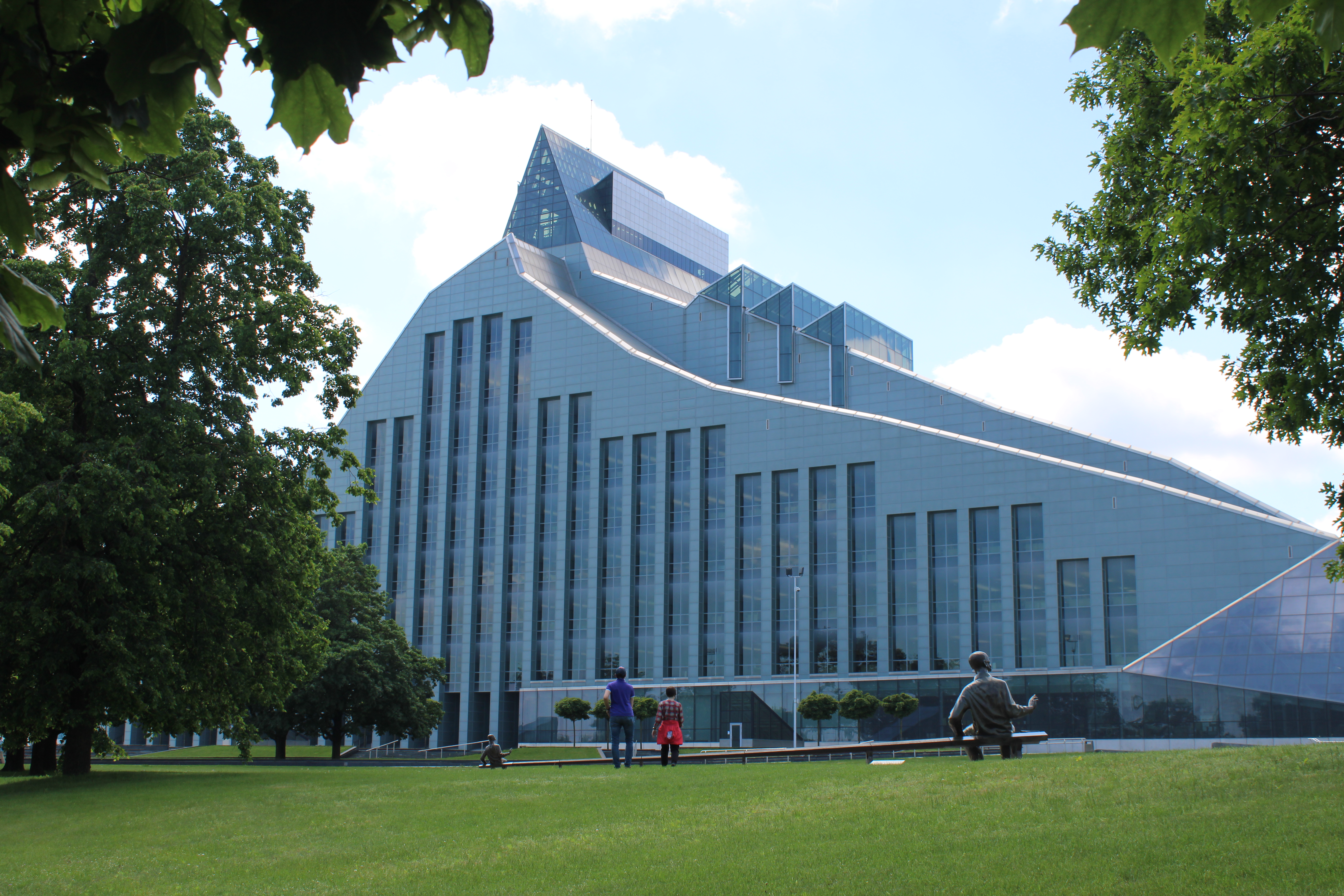
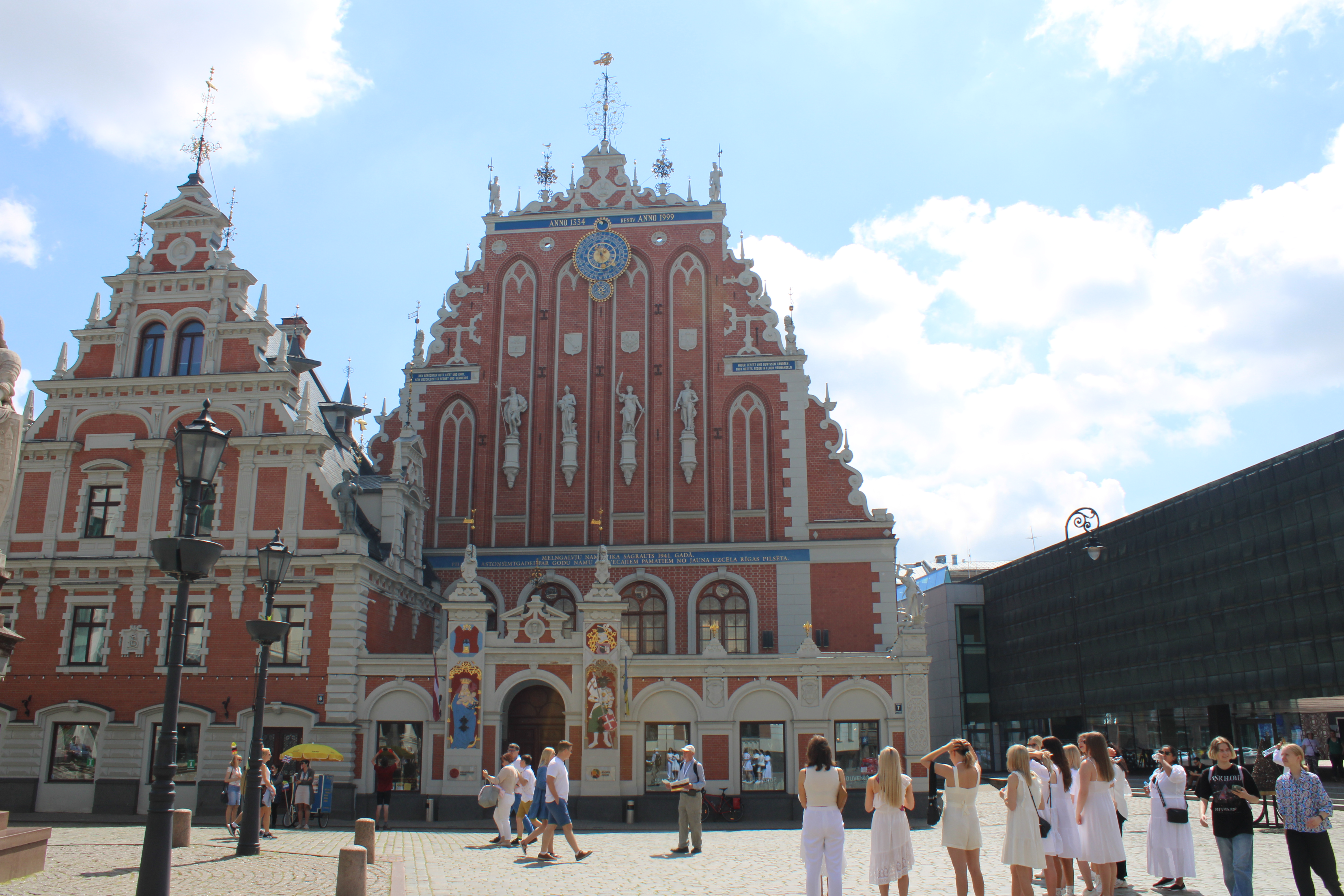
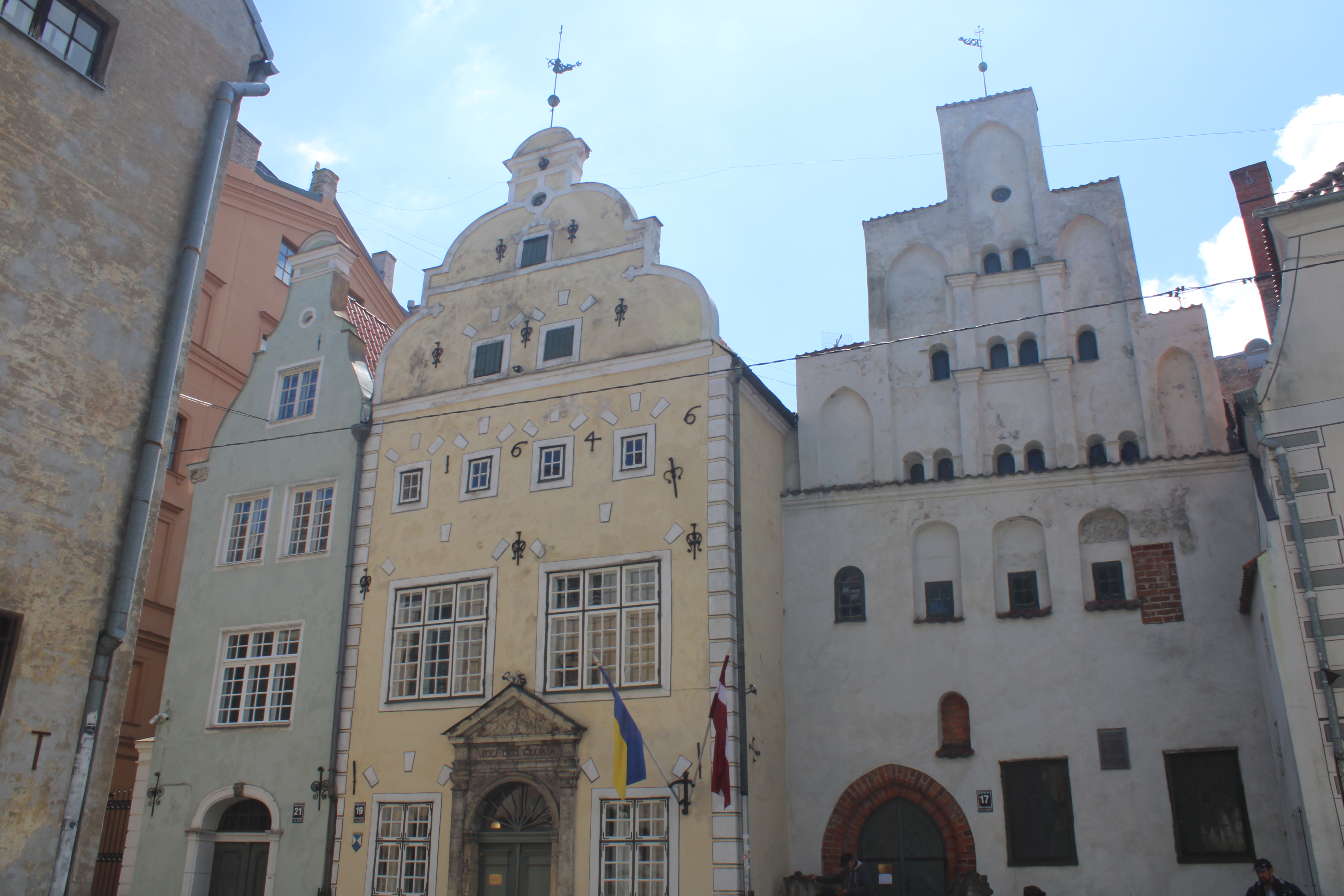
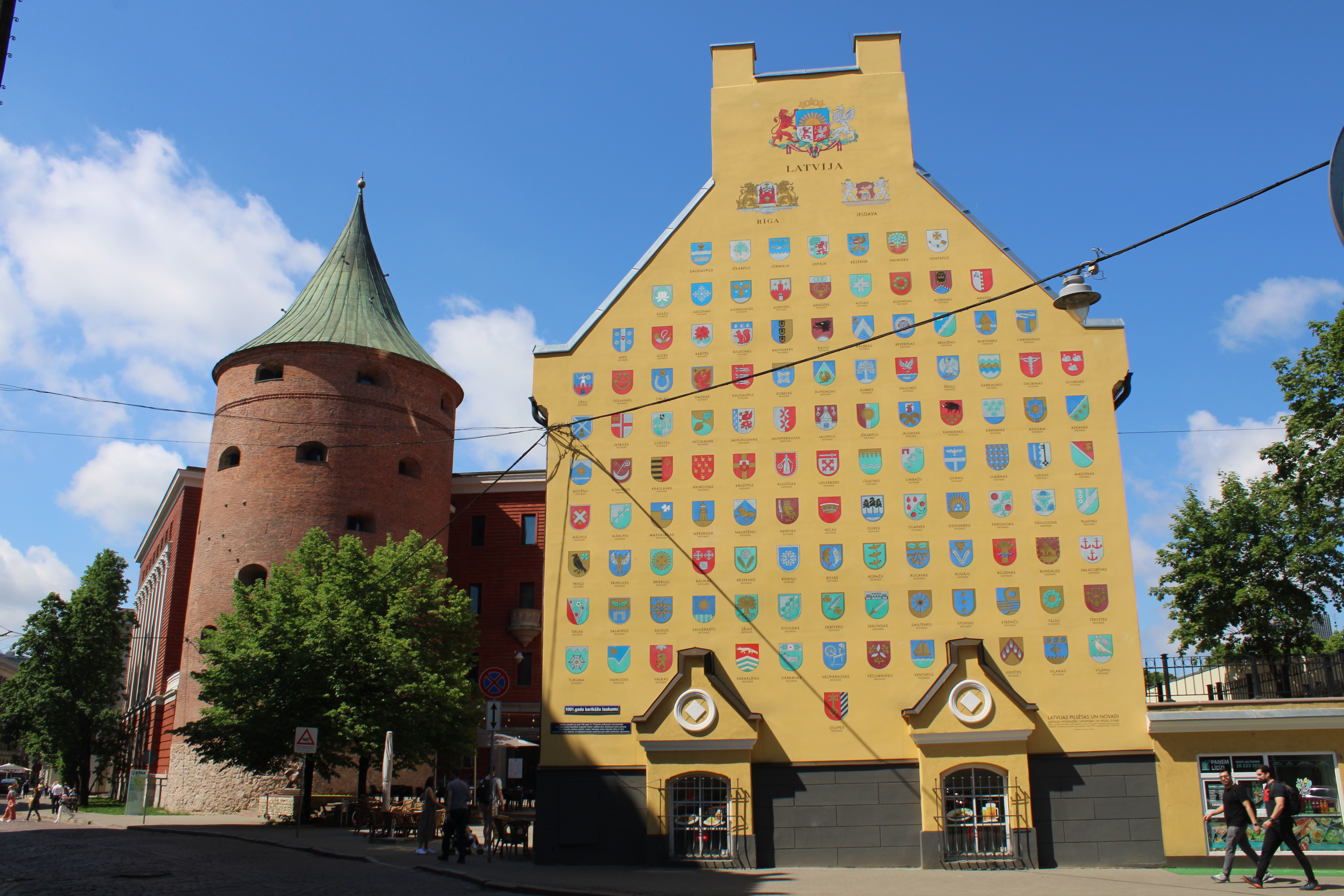
One of the first things I noticed about Riga was its unique blend of architectural styles. The city is home to a mix of Gothic, Baroque, Art Nouveau, and Soviet-era buildings, each with its own distinct character and charm. I spent hours wandering through the Old Town, admiring the colorful buildings and narrow cobblestone streets. The city’s historic center is a UNESCO World Heritage site, and it’s easy to see why – the architecture is truly breathtaking.

Another highlight of my trip to Riga was the food. Latvian cuisine is a fusion of traditional Baltic, German, and Russian flavors, with plenty of fresh fish, game meat, and hearty soups. I visited a local market and sampled some of the traditional dishes, like grey peas with bacon and sour cream, and black bread with smoked fish. I also enjoyed some delicious Latvian beer and locally made liqueurs.

Riga is also known for its lively cultural scene, with a thriving music, art, and theater scene. I attended a concert at the Latvian National Opera House, where I was treated to a stunning performance of Tchaikovsky’s Swan Lake. I also visited some of the city’s museums, including the Latvian National Museum of Art, which has an impressive collection of Latvian and European artwork.

Another must-visit attraction in Riga is the Central Market, which is housed in a series of old Zeppelin hangars. The market is one of the largest in Europe, with vendors selling everything from fresh produce to traditional crafts. I enjoyed strolling through the different stalls and sampling some of the local delicacies.

Overall, my trip to Riga was a wonderful introduction to the rich culture and history of Latvia. The city’s mix of architectural styles, vibrant cultural scene, and delicious cuisine make it a truly unique destination that should not be missed.

You Are Awesome!

Mike
Standard

Užupis, Lithuania

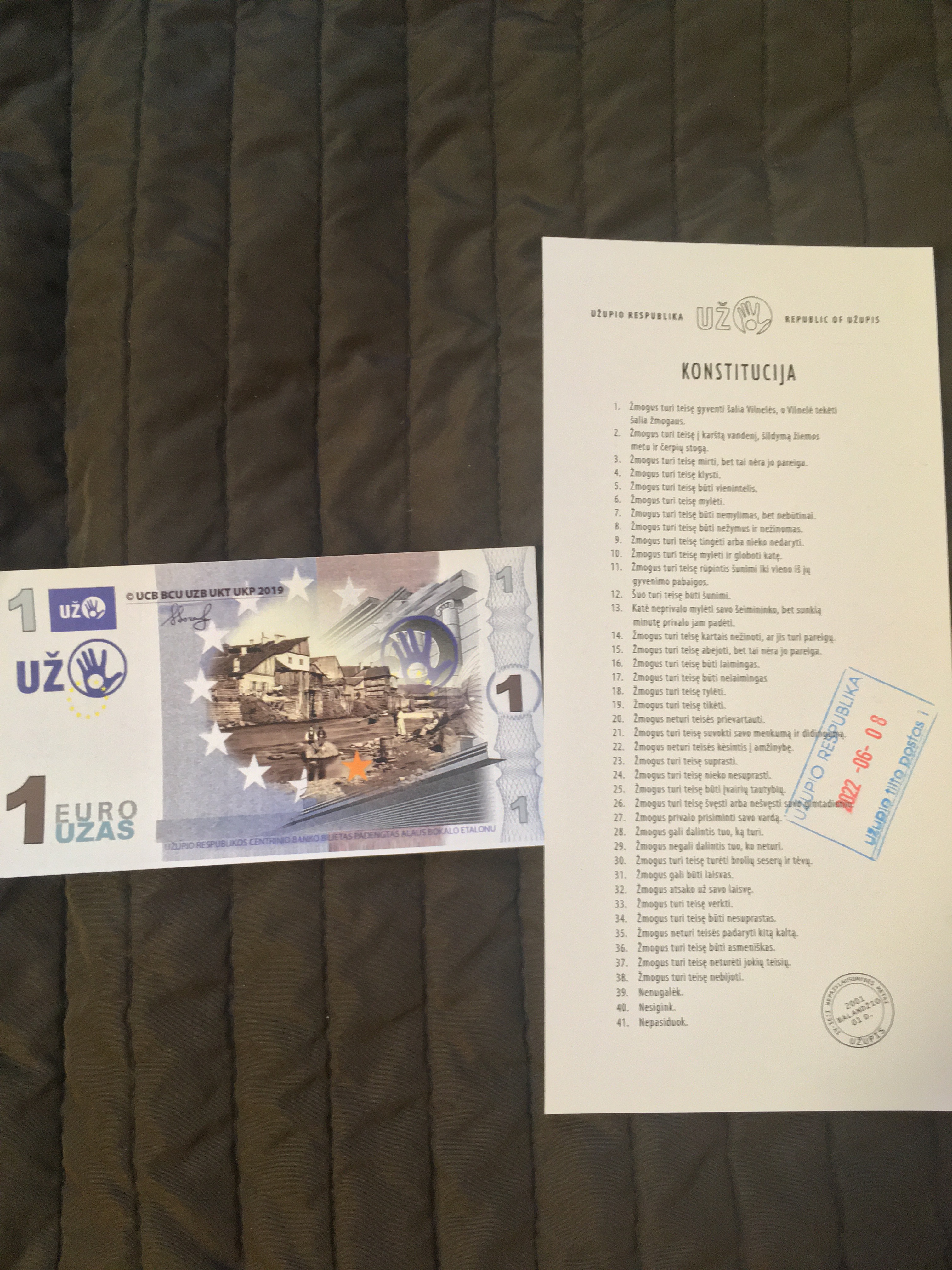
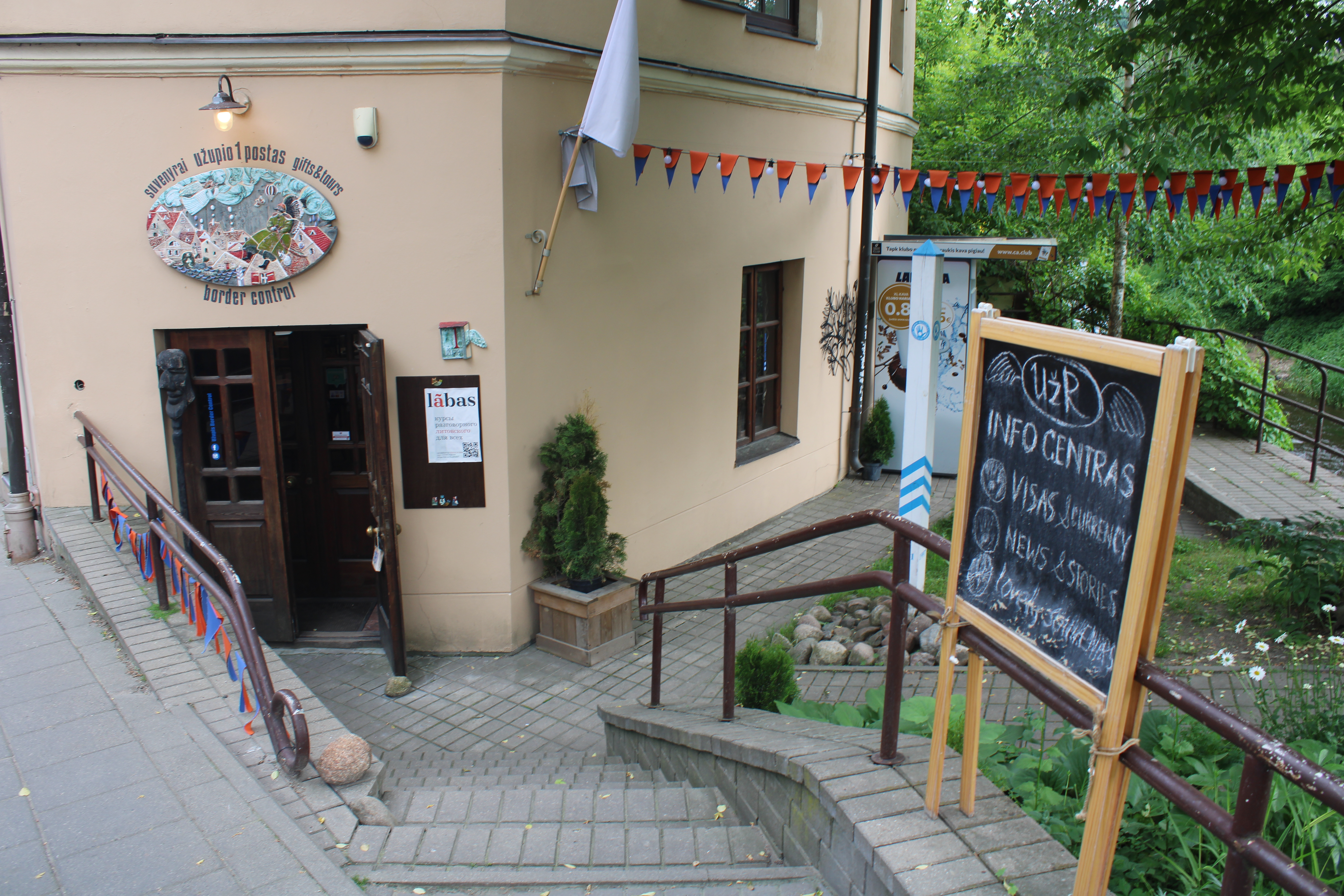
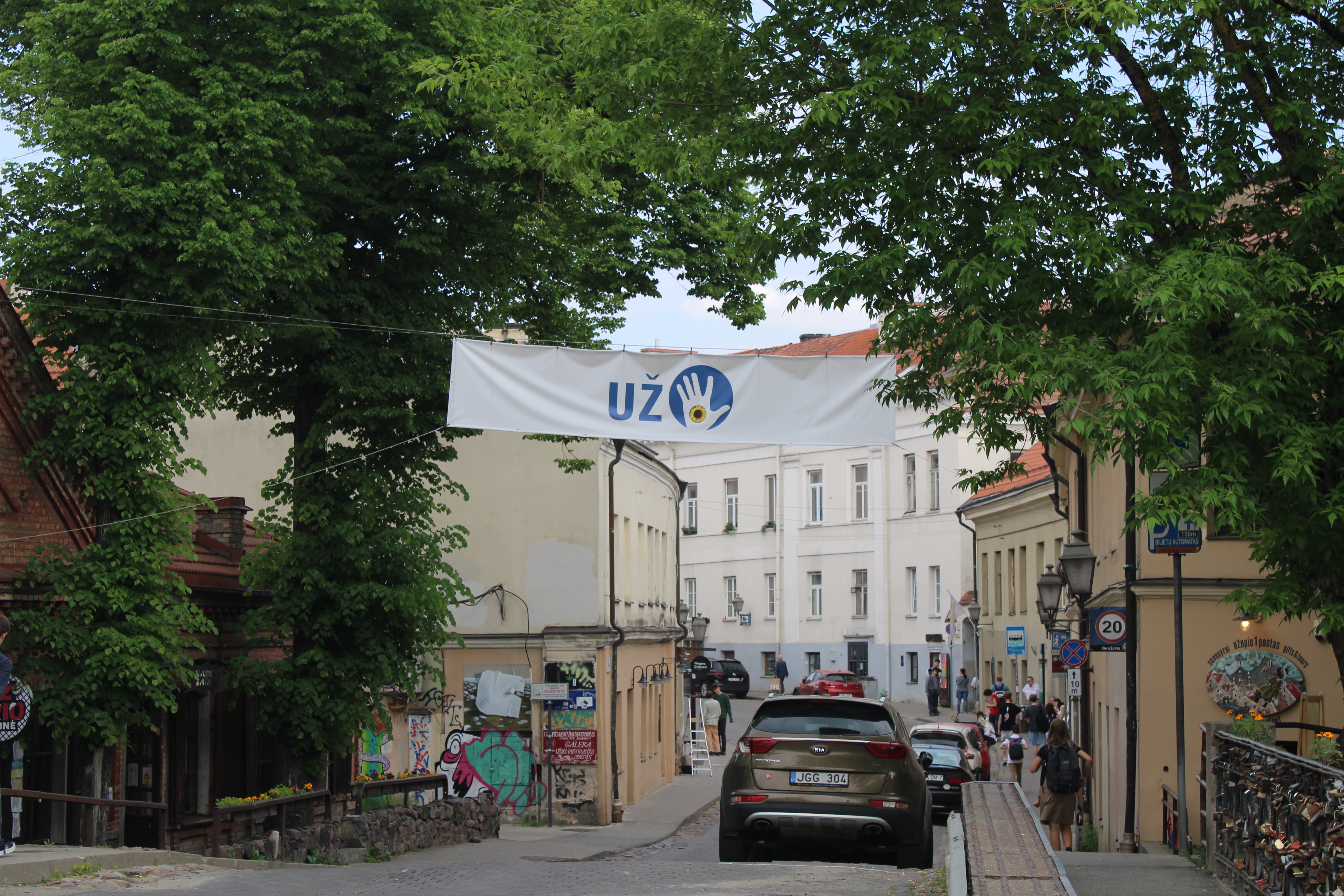
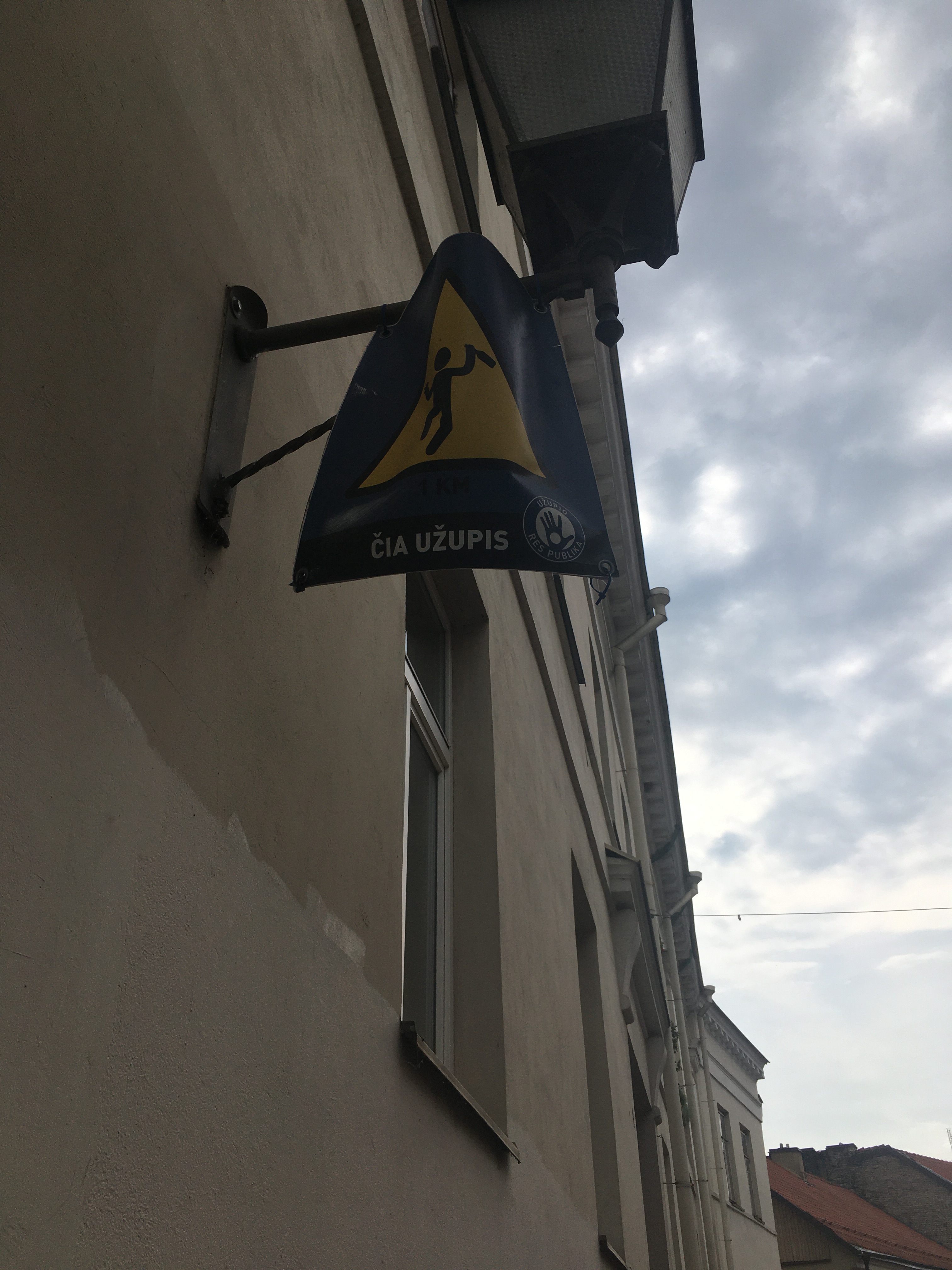
The Republic of Užupis is a quirky and independent neighborhood located in the heart of Vilnius, the capital city of Lithuania. With its unique culture, laid-back vibe, and vibrant arts scene, Užupis is a must-visit destination for anyone traveling to the Baltic region.

One of the first things I noticed about Užupis was its bohemian atmosphere. The neighborhood is home to a mix of artists, musicians, and writers, who have established a thriving creative community. I visited a local art gallery, where I saw works by up-and-coming Lithuanian artists. I also stumbled upon a street performance, where a group of musicians were playing traditional Lithuanian folk music.

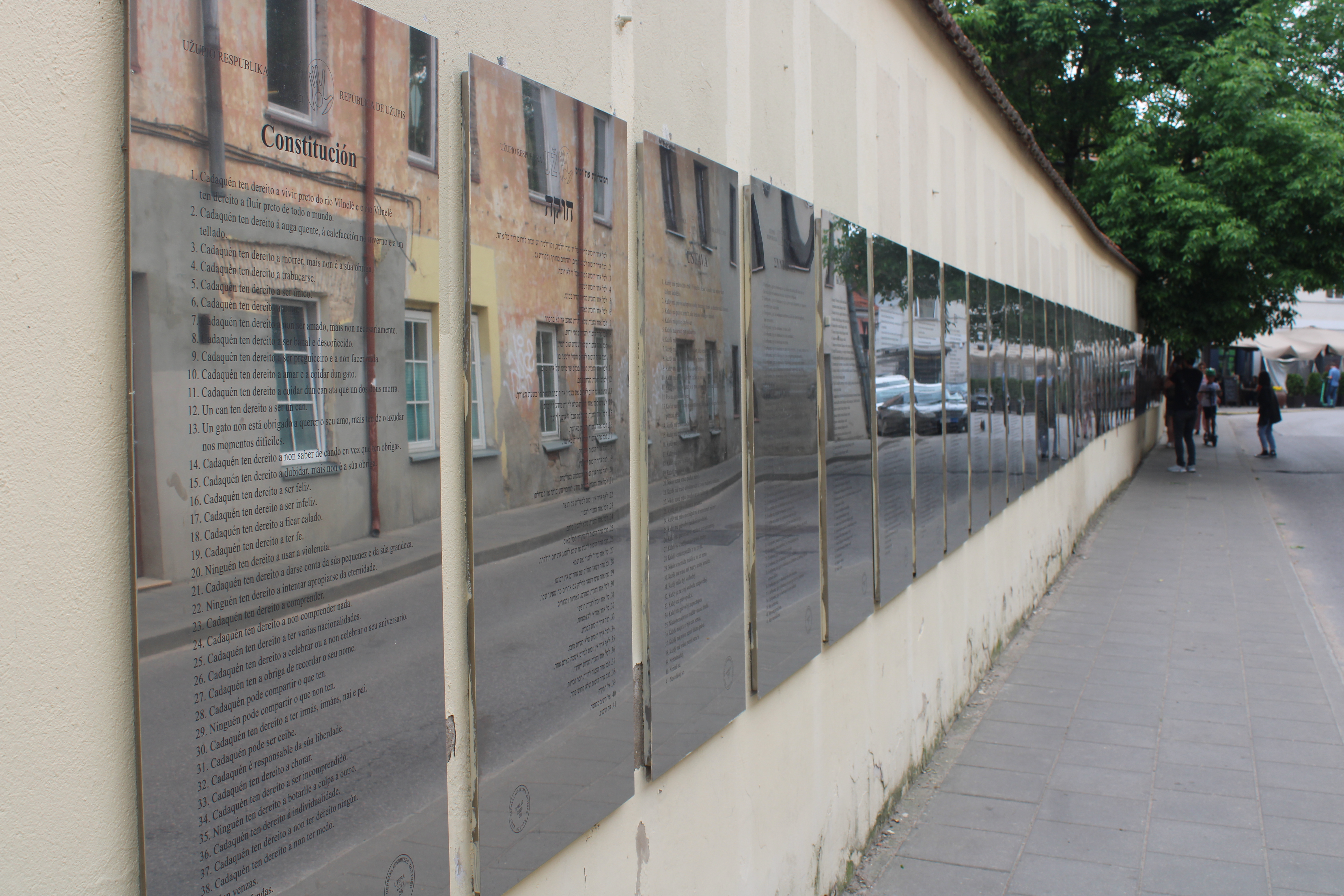
One of the most iconic landmarks in Užupis is the Constitution Wall, which is covered in the Užupis Constitution. The constitution is a tongue-in-cheek declaration of independence, with articles such as “Everyone has the right to be unique” and “Everyone has the right to love and take care of the cat”. Visitors are encouraged to sign the constitution and become honorary citizens of the Republic of Užupis.

Užupis is also home to a number of trendy cafes and bars, which provide a laid-back atmosphere for locals and visitors alike. I enjoyed a cup of coffee at a cozy cafe, where I chatted with some of the locals and learned more about the neighborhood’s unique culture.

Another highlight of my trip was visiting the Užupis Art Incubator, which is a community space for artists and creatives. The space hosts exhibitions, workshops, and performances, and provides a platform for emerging artists to showcase their work.

Overall, my trip to the Republic of Užupis was a fascinating and eye-opening experience. The neighborhood’s unique culture, bohemian atmosphere, and vibrant arts scene make it a must-visit destination for anyone traveling to Vilnius or the Baltic region.

You Are Awesome!

Mike

Standard

Hill of Crosses, Lithuania

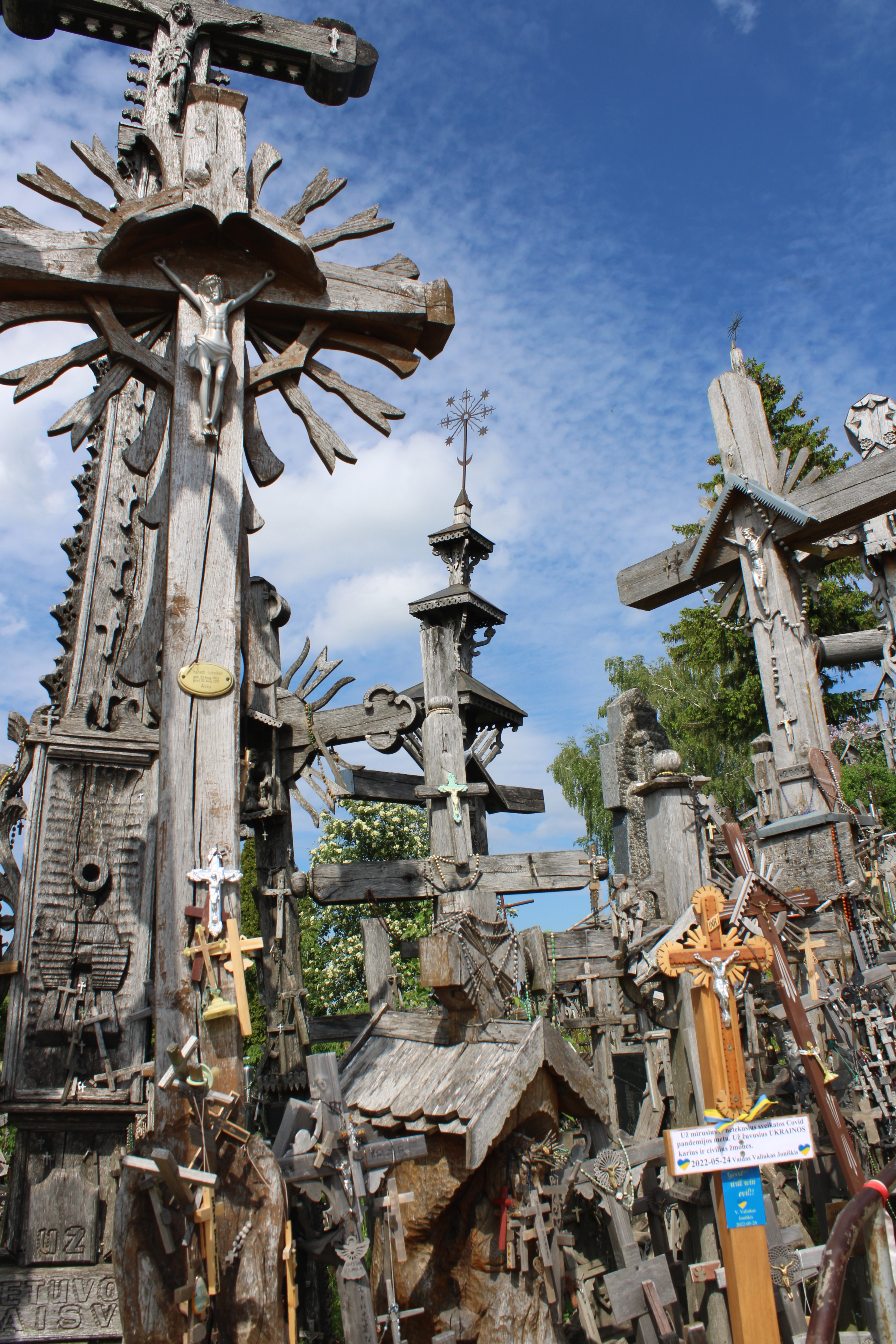
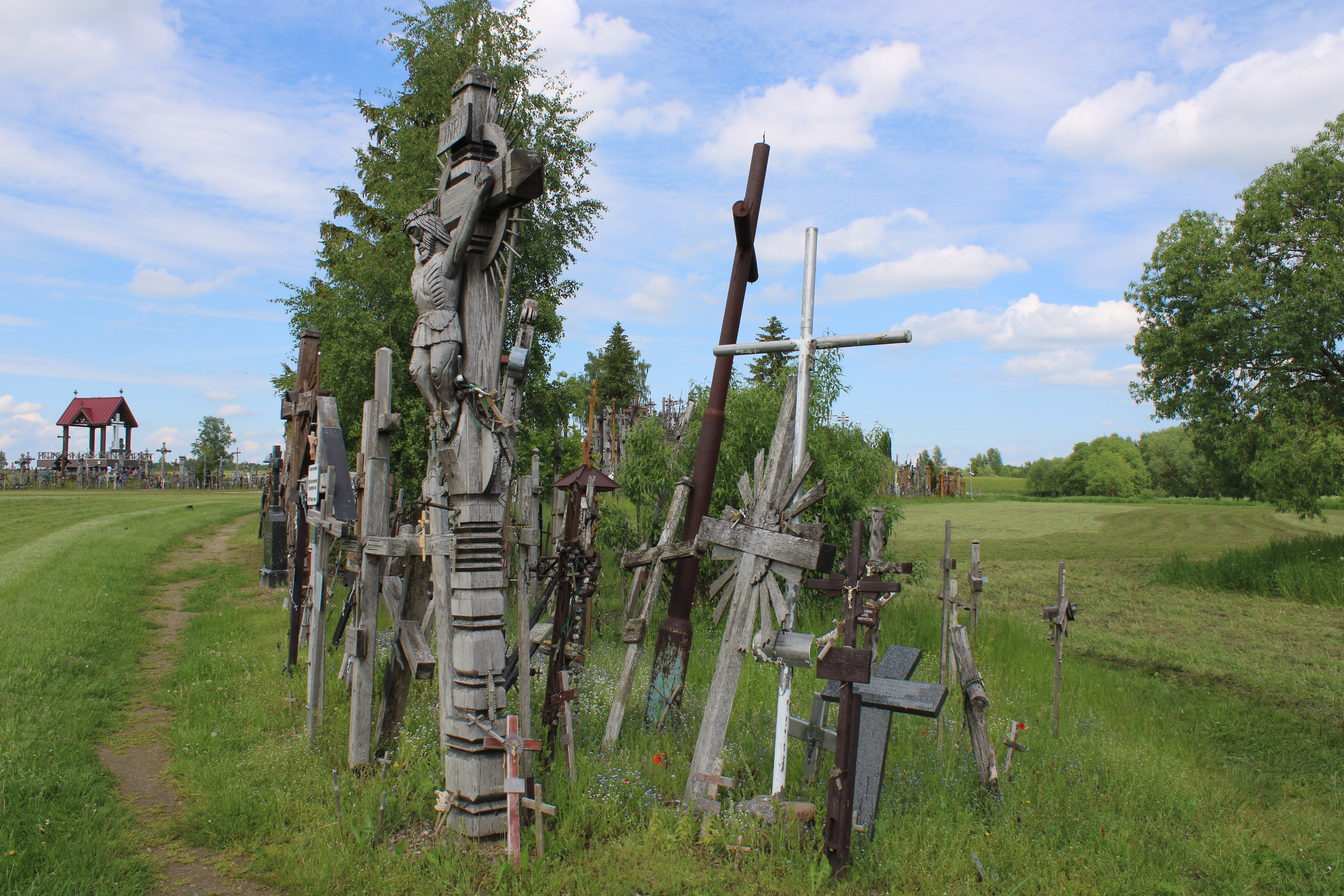
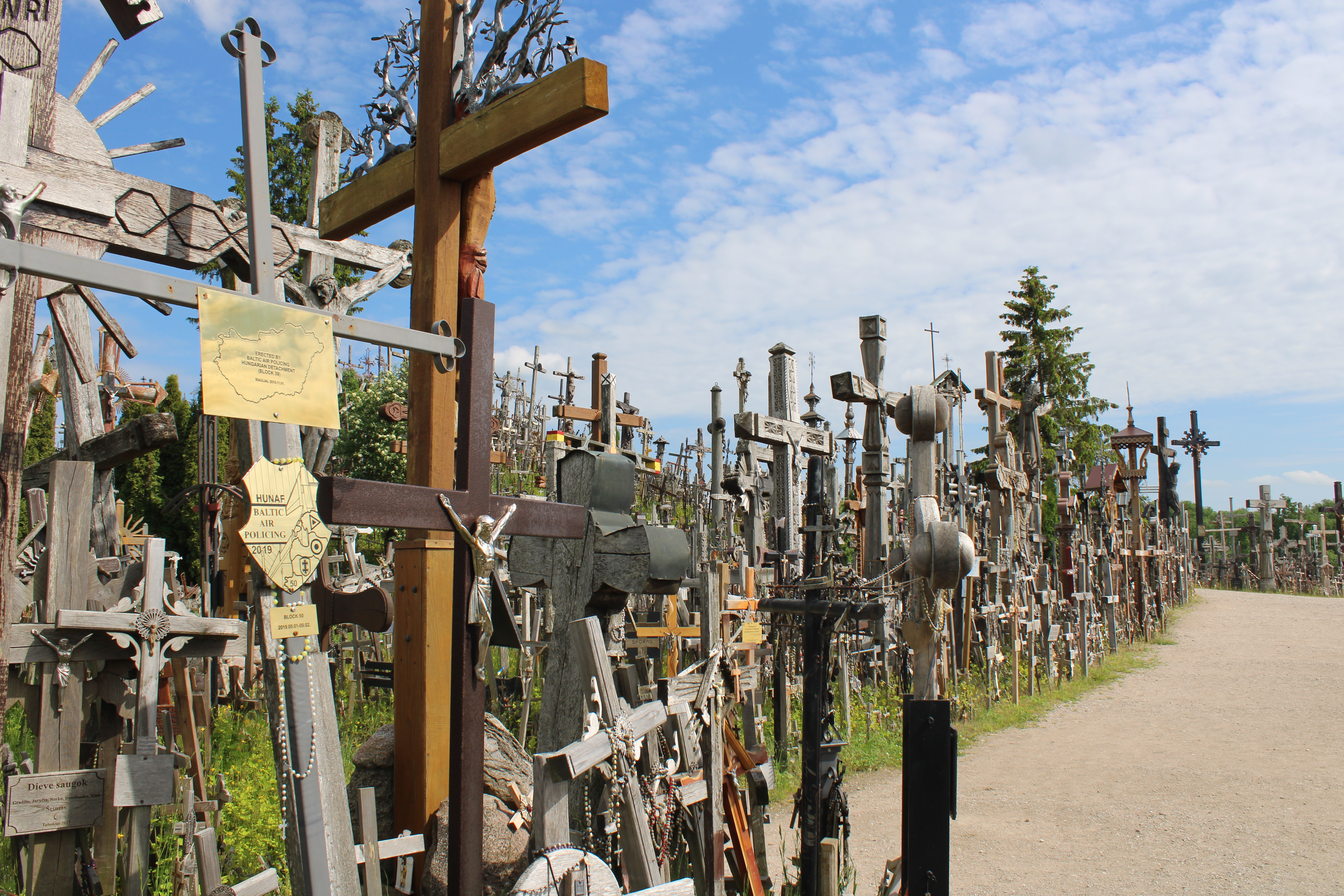
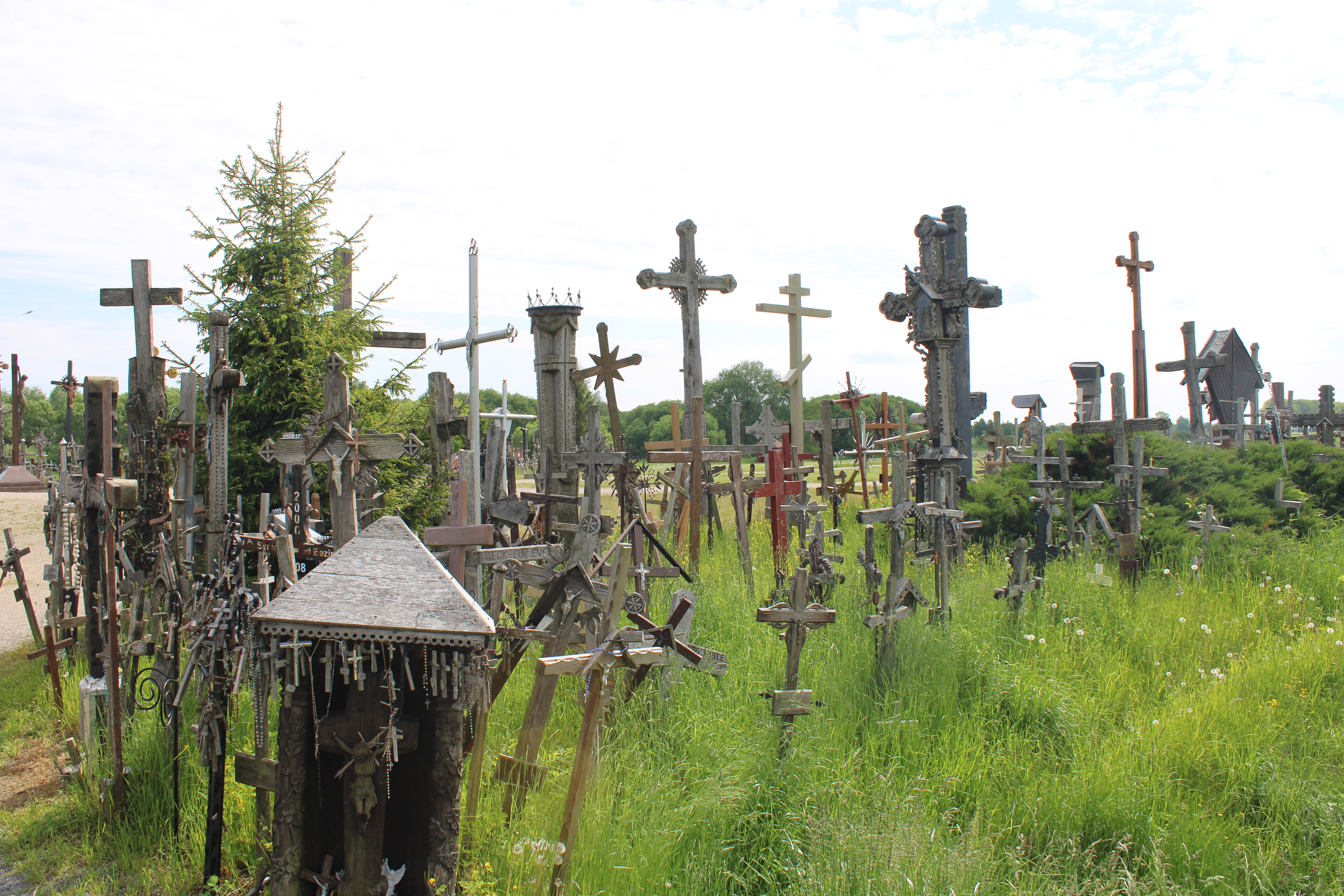
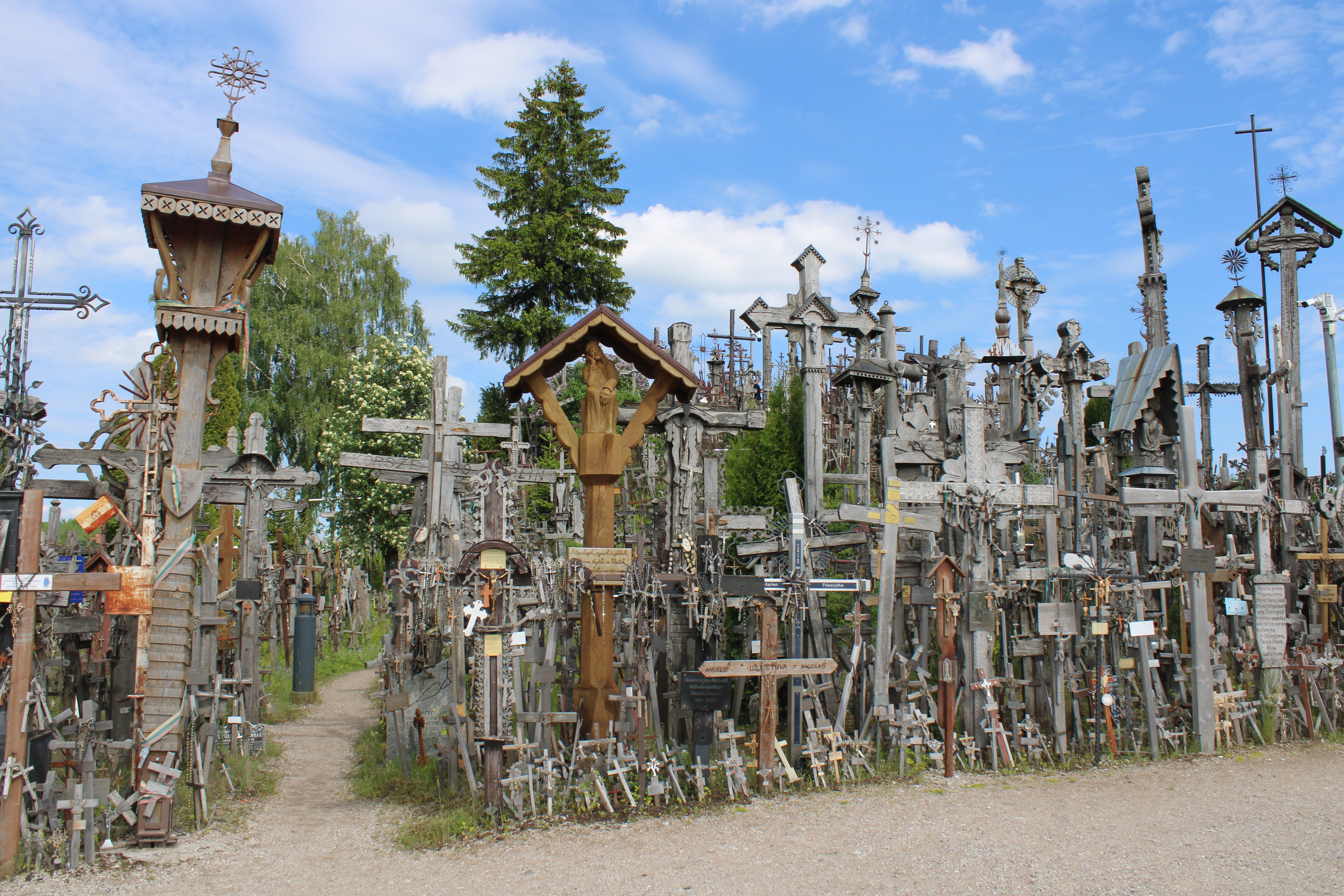
The Hill of Crosses in Lithuania is a unique and spiritual destination that has been a site of pilgrimage for centuries. Located near the city of Šiauliai, the hill is covered in thousands of crosses of all shapes and sizes, and is an impressive testament to the deep faith and resilience of the Lithuanian people.

My journey to the Hill of Crosses began with a scenic drive through the Lithuanian countryside. As I approached the hill, I was struck by the sight of thousands of crosses stretching as far as the eye could see. Each cross represents a prayer or a wish, and the hill is considered a sacred place where visitors can leave their own crosses and connect with the divine.

As I walked up the hill, I was awed by the sheer number and variety of crosses. Some were simple wooden crosses, while others were ornately decorated with flowers, ribbons, and other symbols of devotion. Many of the crosses were inscribed with messages of hope and healing, and I could sense the deep spiritual energy of the place.

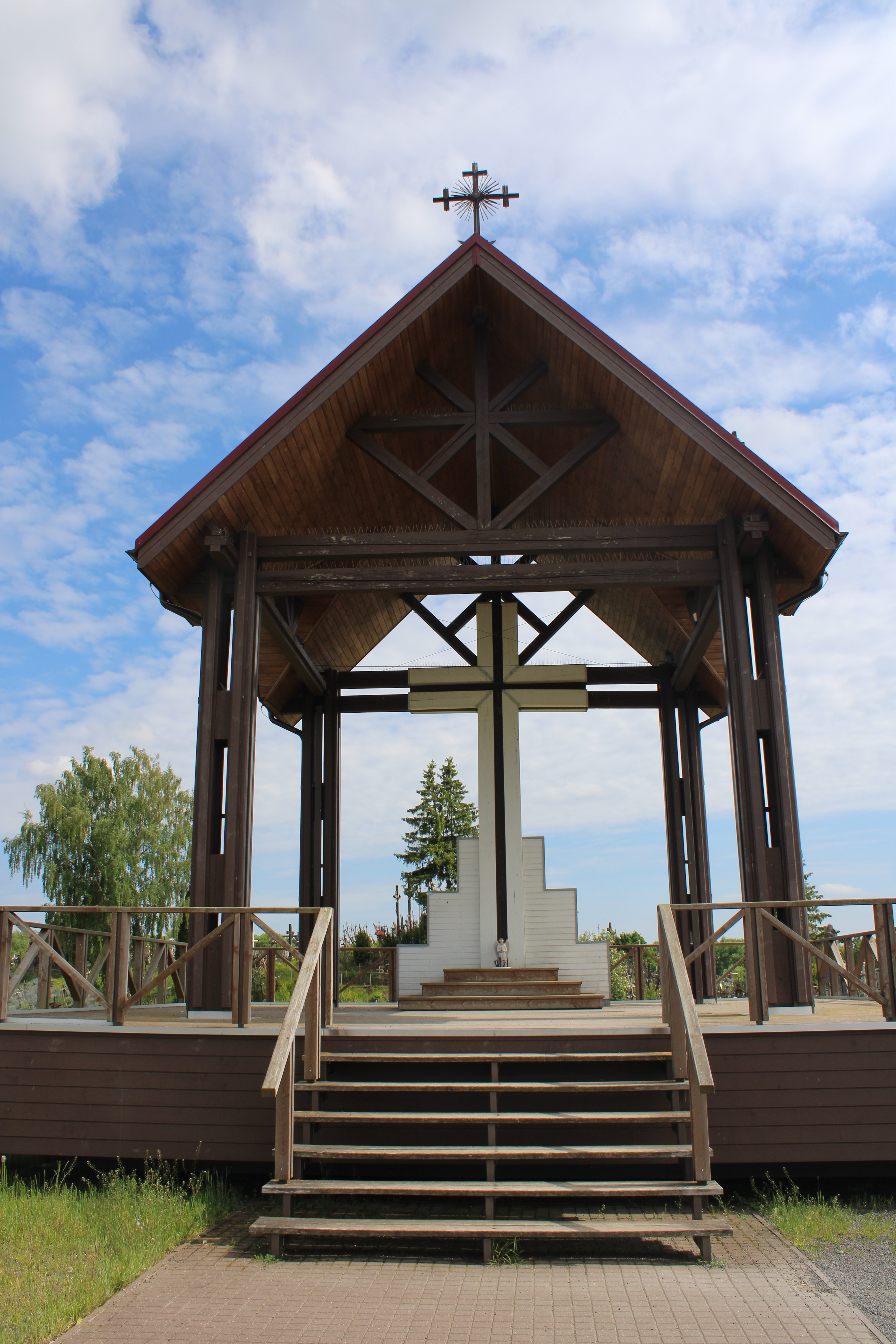
At the top of the hill, there is a small chapel where visitors can light candles and offer prayers. I spent some time reflecting on the beauty and significance of the Hill of Crosses, and felt a sense of peace and connection to something greater than myself.

After my visit, I stopped at a nearby restaurant to sample some traditional Lithuanian cuisine. I tried cepelinai, a potato-based dumpling filled with meat or cheese, and šaltibarščiai, a cold beet soup that is a favorite of Lithuanians in the summertime.

Overall, my visit to the Hill of Crosses was a truly memorable experience. It is a place of profound spiritual significance that embodies the rich cultural heritage and deep faith of the Lithuanian people. If you ever have the chance to visit Lithuania, I highly recommend making the trip to this beautiful and inspiring destination.

You Are Awesome!

Mike

Standard